Looking for the ideal native hedge for your garden? Hawthorn hedging (Crataegus monogyna) is the most popular hedging plant in the UK and Ireland, and for good reason. Whether you need a wildlife-friendly boundary, a secure property barrier, or a beautiful seasonal display, a hawthorn hedge delivers on every front. In this guide, we cover everything you need to know about planting, growing, and caring for hawthorn hedging — plus where to buy quality hawthorn hedge plants delivered to your door.
What Is Hawthorn Hedging?
Hawthorn (Crataegus monogyna), also known as quickthorn, whitethorn, or May blossom, is a deciduous native shrub found throughout the British Isles. It has been used for centuries to create dense, thorny hedgerows across the countryside. Farmers have long relied on hawthorn hedge plants to mark boundaries and contain livestock, and today it remains the top choice for both rural and urban gardens.
Hawthorn hedging is fast growing, putting on 40–60 cm of new growth per year. It thrives in virtually any soil type — from heavy clay to chalky ground — and tolerates exposed, coastal, and inland sites across the UK. This adaptability makes it one of the most reliable native hedge plants you can choose.
Benefits of Planting a Hawthorn Hedge
There are many compelling reasons to choose hawthorn hedging for your property. Here are the key benefits:
Wildlife Friendly Hedge
A hawthorn hedge is one of the best wildlife friendly hedges you can plant. According to the Woodland Trust, a single hawthorn can support over 150 species of insects, including bees, butterflies, and moth caterpillars. The dense, thorny branches provide safe nesting sites for birds such as blackbirds, thrushes, and robins. In autumn, the bright red haws (berries) are a vital food source for birds and small mammals heading into winter. Planting a hawthorn hedge is one of the simplest ways to boost biodiversity in your garden.
Security and Privacy
The sharp thorns on hawthorn branches make it a natural security hedge. A mature hawthorn hedge is virtually impenetrable, deterring trespassers far more effectively than a wooden fence. The dense growth also provides excellent privacy screening, even in winter when the leaves have dropped — the thick tangle of branches still blocks the view.
Year-Round Visual Interest
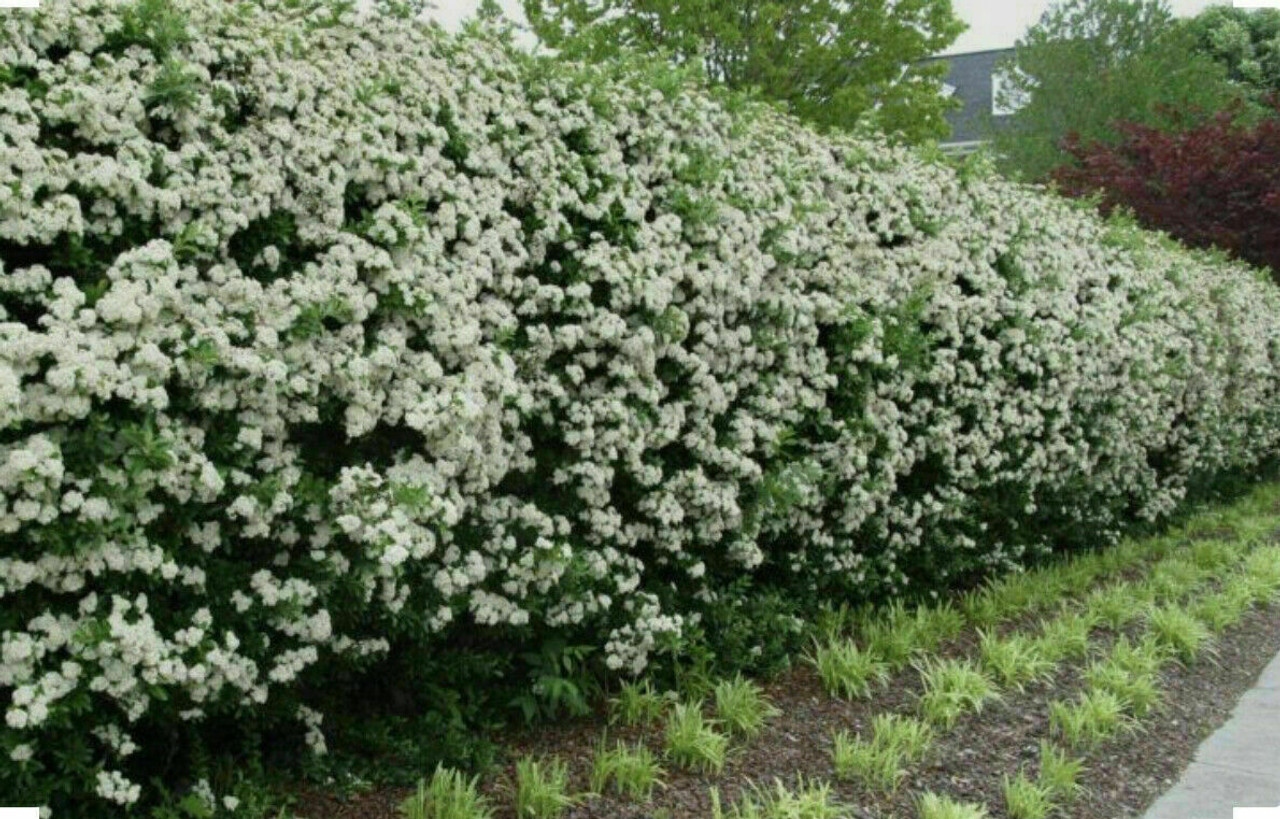
Unlike many hedging plants, hawthorn offers seasonal beauty throughout the year. In spring, masses of fragrant white blossom appear against the dark wood. Summer brings glossy, deep green foliage that looks lush and healthy. Autumn delivers clusters of bright red haws that look striking against the changing leaves. Even in winter, the dark, spiny silhouette of the bare branches is dramatic, especially on a frosty morning.
Low Maintenance and Cost Effective
Hawthorn hedging requires very little ongoing care once established. An annual trim in late summer is usually all that is needed to keep it looking tidy. Because hawthorn hedge plants are grown in large quantities across British nurseries, they remain one of the most affordable hedging options available — making them ideal for long boundary runs or large garden projects.
How to Plant a Hawthorn Hedge
Getting your hawthorn hedge off to a strong start is straightforward if you follow a few key steps. Here is our recommended hawthorn hedge planting guide:
When to Plant
The best time to plant bareroot hawthorn hedging is during the dormant season, from November through to March or April. The Royal Horticultural Society (RHS) recommends avoiding planting when the ground is frozen or waterlogged. Bareroot plants are dormant during this period but are still alive, so handle them with care and keep roots moist until planted.
Spacing and Layout
For a dense hawthorn hedge, we recommend planting 5 plants per metre in two staggered rows, spaced approximately 30 cm apart. This creates a thick, impenetrable barrier. For a single-row hedge, plant 3 per metre at roughly 33 cm spacing. A double row produces a wider, denser hedge that is ideal for security and wildlife habitats.
Planting Steps
- Dig a trench roughly 45 cm wide and 30 cm deep along your planned hedge line.
- Incorporate well-rotted compost or organic matter into the soil at the base of the trench.
- Place your hawthorn hedge plants at the correct spacing, ensuring the roots are spread out and the root collar sits at soil level.
- Backfill with a mix of native soil and compost, firming gently around each plant.
- Water thoroughly after planting and apply a layer of bark mulch to conserve moisture and suppress weeds.
- If rabbits or deer are a concern in your area, protect young plants with spiral guards.
Aftercare in the First Year
Keep your new hawthorn hedge well watered during the first growing season, especially through dry spells in spring and summer. In the first spring after planting, cut the plants back by about one third to encourage bushy, low growth. This may seem drastic, but it promotes a thick base and prevents leggy growth later on.
How to Maintain and Prune a Hawthorn Hedge
Once established, hawthorn hedging is remarkably low maintenance. Here are the key tasks:
- Annual pruning: Trim your hawthorn hedge once a year in late summer (August or September), after the birds have finished nesting. Use hedge shears or a powered hedge trimmer for a neat finish.
- Shape: Aim for a slightly tapered profile — wider at the base than at the top. This ensures sunlight reaches the lower branches, keeping the hedge dense all the way down.
- Renovation: If an old hawthorn hedge has become overgrown or bare at the base, you can carry out hard renovation pruning in late winter. Cut back to stumps of 15–20 cm and the hedge will regrow vigorously from the base.
- Feeding: Apply a general-purpose fertiliser each spring to keep growth strong and healthy. A mulch of garden compost around the base helps retain moisture and adds nutrients over time.
Hawthorn Hedge vs Other Hedging Options
How does hawthorn hedging compare with other popular hedging plants? Here is a quick comparison:
| Feature | Hawthorn | Privet | Beech | Laurel |
|---|---|---|---|---|
| Native to UK | Yes | No (semi-evergreen) | Yes | No |
| Growth Rate | Fast (40–60 cm/yr) | Fast | Moderate | Fast |
| Wildlife Value | Excellent | Good | Moderate | Low |
| Thorny / Secure | Yes | No | No | No |
| Evergreen | No (deciduous) | Semi | Holds dead leaves | Yes |
| Cost | Very affordable | Moderate | Moderate | Higher |
As the table shows, hawthorn hedging stands out for its unbeatable combination of wildlife value, security, fast growth, and low cost. If you want a native hedge that truly earns its place in your garden, hawthorn is hard to beat.
Where to Buy Hawthorn Hedging Plants
At Sunnyside Nurseries, we supply top-quality hawthorn quickthorn hedging plants in a range of sizes to suit every project. Our bareroot hawthorn plants are carefully grown and dispatched during the dormant season for the best establishment rates. We offer bulk packs from 10 to 200 plants, with free standard delivery across the UK and Ireland.
Whether you are planting a short garden boundary or a long rural hedgerow, our hawthorn hedge plants give you exceptional value. Choose from our 40–60 cm bareroot hawthorn for a budget-friendly option, or our 3ft hawthorn hedging for quicker results and a more instant impact.
Frequently Asked Questions About Hawthorn Hedging
How fast does a hawthorn hedge grow?
Hawthorn hedging grows at a rate of 40–60 cm per year under good conditions, making it one of the fastest growing native hedging plants available. You can expect a well-established hedge within 3–5 years of planting.
Is hawthorn a good hedge for wildlife?
Absolutely. Hawthorn is recognised as one of the very best hedges for wildlife in the UK. It supports over 150 insect species, provides nesting cover for birds, and its autumn berries feed thrushes, waxwings, and small mammals through winter.
When is the best time to plant hawthorn hedging?
The ideal planting window for bareroot hawthorn hedging is from November through to March. Planting during the dormant season allows the roots to establish before the growing season begins in spring.
How far apart should I plant hawthorn hedge plants?
For a dense hedge, plant 5 hawthorn plants per metre in a double staggered row at 30 cm spacing. For a single row, space them at 3 per metre (approximately 33 cm apart).
Can hawthorn grow in shade?
Hawthorn is very adaptable and will grow in full sun, partial shade, or dappled shade. However, it flowers and fruits best in a position that receives at least a few hours of direct sunlight each day.
Order Your Hawthorn Hedge Plants Today
Ready to transform your garden with a beautiful, wildlife-friendly hawthorn hedge? Browse our full range of hawthorn hedging plants at Sunnyside Nurseries and take advantage of free delivery across the UK and Ireland. With over 30 years of experience and outstanding customer reviews, you can buy with complete confidence. Start planting your perfect native hedge today.