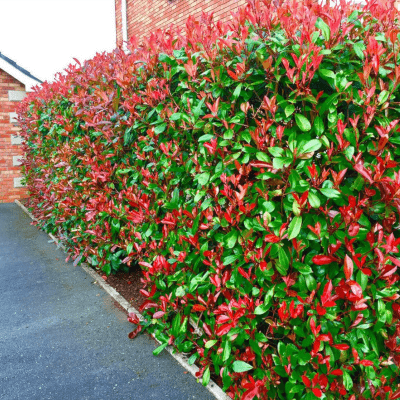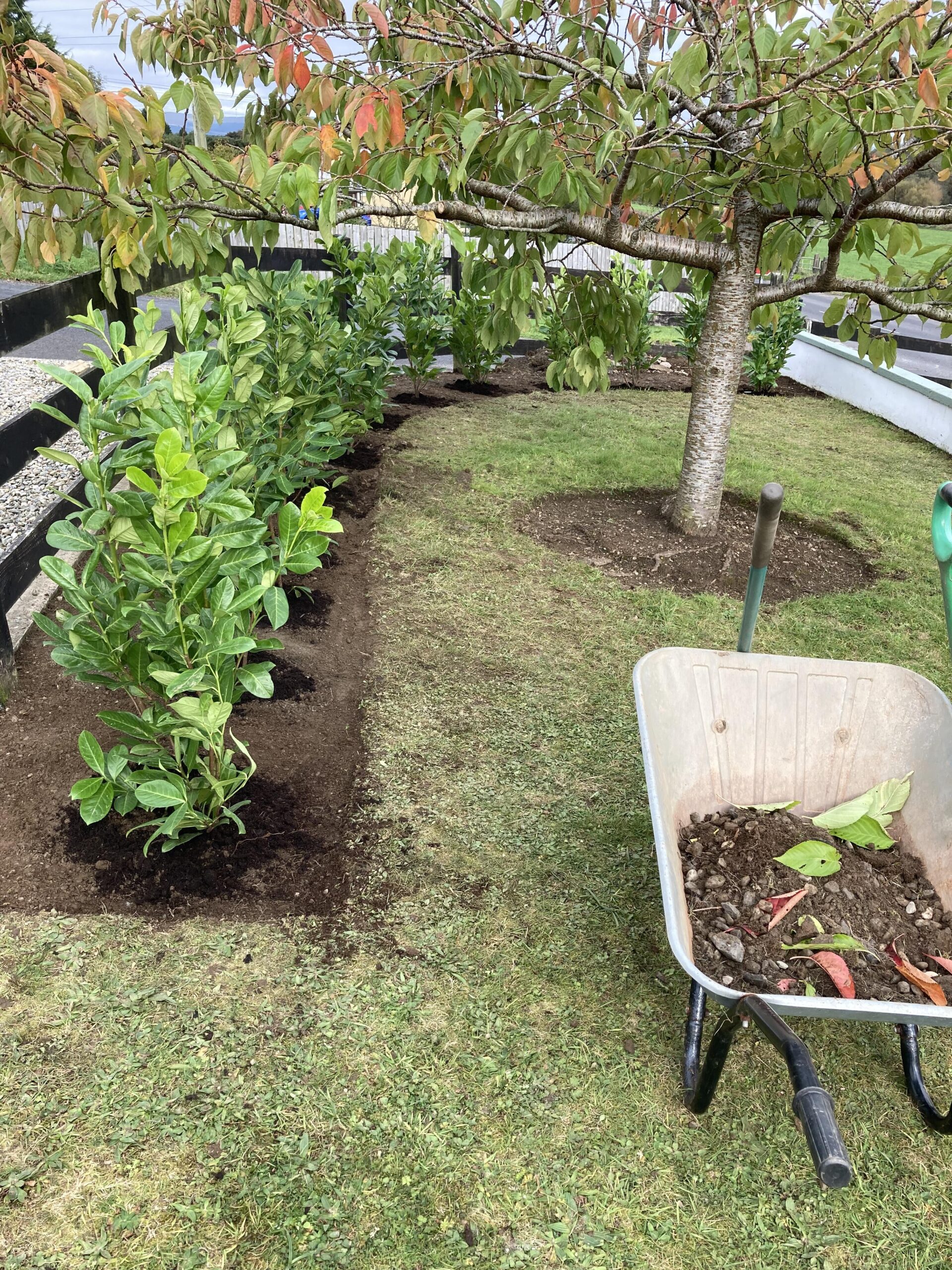
Cherry laurel (Prunus laurocerasus) is one of the most popular hedging plants in UK gardens, prized for its glossy evergreen foliage, fast growth rate, and ability to create a dense, attractive privacy screen. However, without regular pruning, cherry laurel can quickly become overgrown and leggy. Learning how to prune cherry laurel correctly will keep your hedge looking its best all year round.

Timing is crucial when learning how to prune cherry laurel. Getting it right means healthier growth and a better-looking hedge. Here are the best times to prune cherry laurel in the UK:
Late spring is the ideal time to prune cherry laurel for the main annual trim. Cherry laurel flowers in April and May, so pruning after flowering allows the plant to put its energy into producing fresh, healthy growth. By late spring, most nesting birds will have fledged, which is an important consideration under UK wildlife law. If you only prune cherry laurel once a year, this is the time to do it. Spring is also the perfect season to plant new hedging — our potted cherry laurel plants (25-40cm) establish quickly when planted in May or June.
If your cherry laurel is particularly vigorous, a second lighter trim in late summer helps maintain a tidy shape heading into autumn. Avoid pruning too late in the year, as new growth may not harden off before frost arrives. Many gardeners wondering how to prune cherry laurel find that a light August trim keeps hedges looking neat through winter.
For overgrown hedges that need hard renovation pruning, late winter — before new growth starts — is the best window. Cherry laurel is remarkably tolerant of hard pruning and will regenerate well from old wood. Understanding how to prune cherry laurel hard in winter is essential for renovation work.
Before you prune cherry laurel, make sure you have the right tools. Choosing the correct equipment makes a big difference to the quality of cut and the health of your hedge:
Top tip: Avoid using electric or petrol hedge trimmers when you prune cherry laurel. The large leaves get sliced in half by mechanical trimmers, leaving unsightly brown edges. Hand pruning with secateurs gives a much cleaner finish.
Follow these steps to prune cherry laurel effectively and promote dense, healthy growth:
The first step when you prune cherry laurel is to remove any dead, diseased, or frost-damaged branches. Cut these back to healthy wood, making your cut just above an outward-facing bud or side branch.
If the hedge has become very dense in the centre, remove a few internal branches to allow better air circulation and light penetration. This reduces the risk of fungal diseases such as powdery mildew and bacterial shot hole.
When you prune cherry laurel into shape, work your way along the hedge trimming back new shoots to create a neat, even profile. Aim to taper the hedge slightly so it is narrower at the top than the bottom — this allows light to reach the lower branches and prevents bare patches at the base.
Cherry laurel can grow 30-60cm per year, so do not be afraid to take it back to the height you want. For a formal hedge, most gardeners maintain a height of 1.5m to 2.5m, though cherry laurel can easily reach 5m or more if left unchecked. The RHS recommends regular pruning to maintain shape and density. If you need to fill gaps after pruning, our large cherry laurel plants (80-100cm) are ideal for instant impact.
After you prune cherry laurel, remove all clippings from beneath the hedge. Cherry laurel debris left on the ground can suppress growth and may harbour pests. Compost the clippings or take them to your local green waste facility.
If your cherry laurel hedge has been neglected, do not worry — it responds extremely well to hard renovation pruning. Here is how to prune cherry laurel that has become severely overgrown:
Even experienced gardeners can make mistakes when they prune cherry laurel. Here are the most common ones to avoid:
Yes, but only for renovation pruning of severely overgrown hedges. Light maintenance pruning is best done in late spring or late summer.
Cherry laurel is very forgiving and can be cut back to bare stumps. It will regrow from old wood, though it may take a couple of seasons to fill out again.
This is usually caused by using mechanical hedge trimmers that slice through the large leaves. The best way to prune cherry laurel is with hand secateurs for a cleaner cut.
Once or twice a year is sufficient for most hedges. A single prune in late spring keeps most cherry laurel hedges tidy. Fast-growing or formal hedges may benefit from a second trim in late summer.
Now that you know how to prune cherry laurel, why not plant a new hedge or fill gaps in an existing one? At Sunnyside Nurseries, we offer cherry laurel hedging plants in a range of sizes to suit your garden:
All our plants are carefully grown and dispatched with free standard delivery across the UK and Ireland.
Simply sign up to our customer email and we will send you a code to receive 5% off your first order!